For many older Australians, moving to a retirement village is a lifestyle decision: a smaller, easier home, neighbours of a similar age, social activities and the reassurance of on-site management. For others, it is a response to a change in health, the loss of a partner or a house that has become too much to manage. Whatever the reason, a retirement village is a significant financial and legal commitment, and the contracts are more complex than buying or renting an ordinary home.
This guide explains how retirement villages work in Australia: who they suit, the main types of contract, the costs you can expect to see, the services on offer and the rights residents have under state law. It is general information only. Always get independent legal and financial advice before you sign anything.
What is a retirement village?
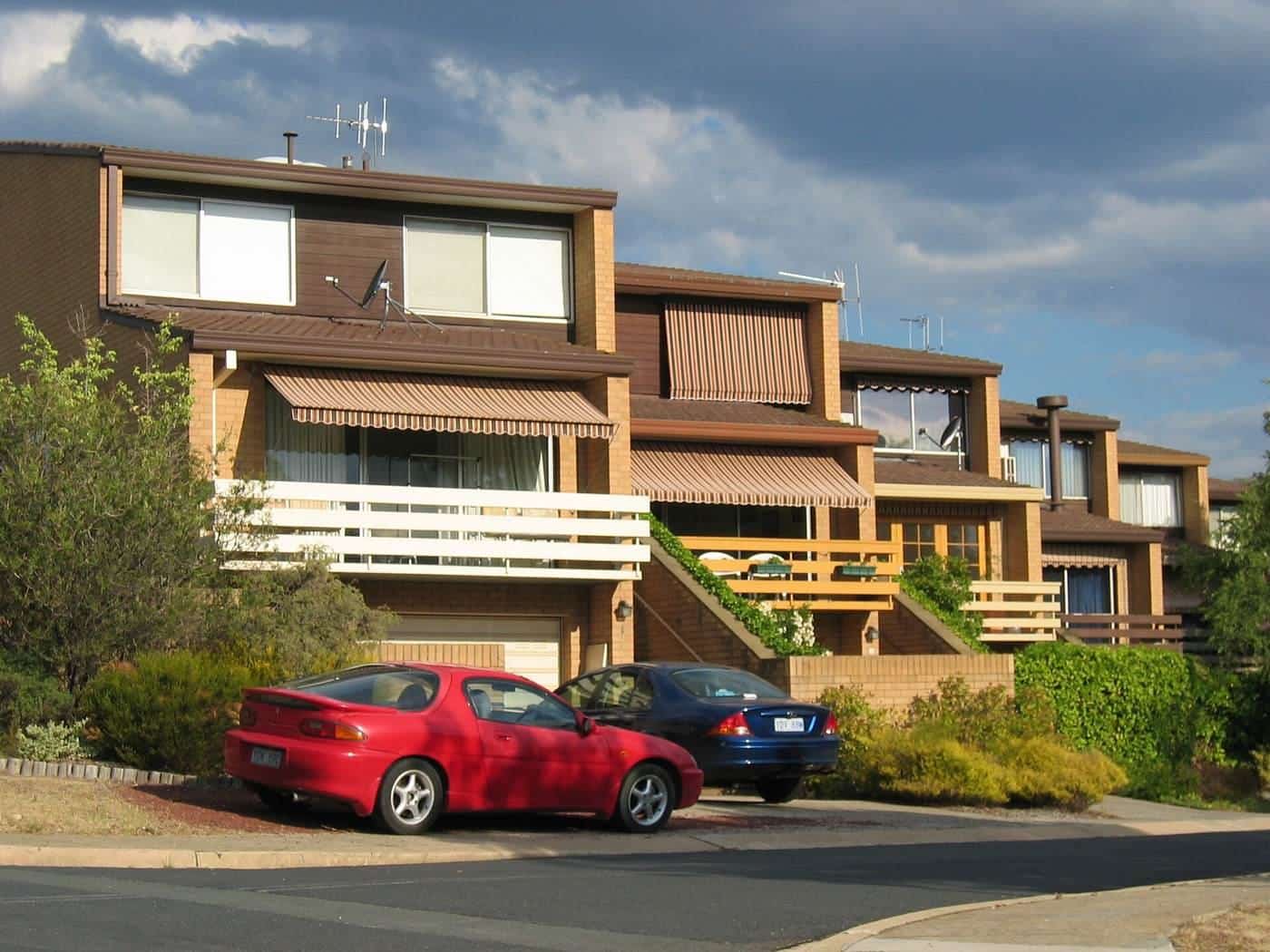
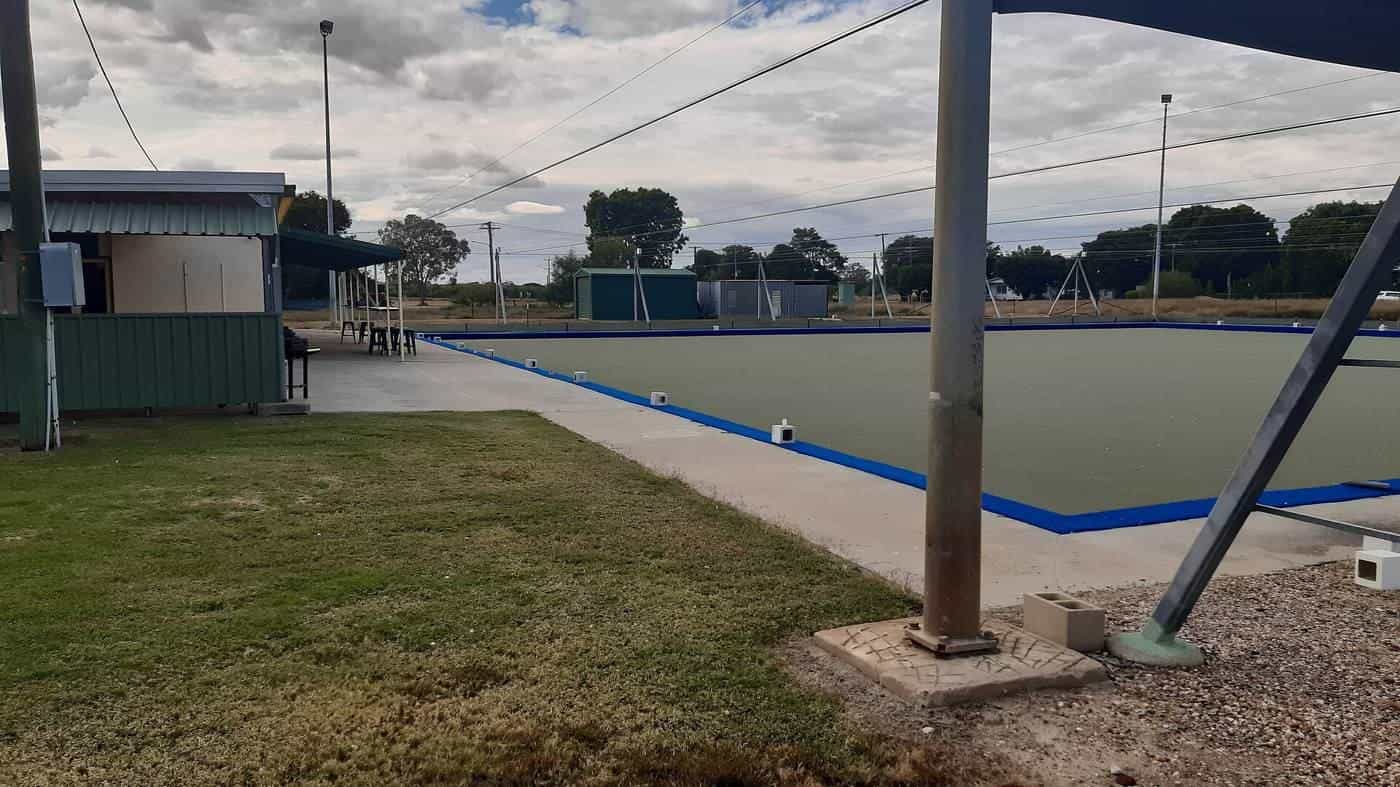
A retirement village is a residential complex mainly for retired people or people over a minimum age set by the village, commonly 55 or older. Residents live independently in their own unit, villa, apartment or townhouse, and share communal facilities such as a community centre, library, pool, bowling green or gardens.
Retirement villages are not aged care. Residential aged care (sometimes called a nursing home) provides 24-hour personal and nursing care and is regulated by the Commonwealth. Some operators run a retirement village and an aged care home on the same site, but they are separate services with separate contracts and rules.
8
State and territory laws
Each jurisdiction has its own Act
55+
Common minimum age
Set by each village
3
Cost stages
Entry, ongoing and exit
Types of contract
How you hold your home varies from village to village. The main arrangements are:
- Loan and licence. You pay an ingoing contribution, effectively an interest-free loan to the operator, in return for the right to live in the unit. When you leave, the loan is repaid less any exit fees. This is common in villages run by not-for-profit operators.
- Leasehold. You pay a premium for a long-term lease, often registered on the title. On leaving, the lease is sold or reassigned and you receive the proceeds less fees.
- Strata or freehold title. You own your unit, usually with a strata or community title, plus a separate contract with the operator covering services and fees, which may include an exit fee.
- Rental. Some villages offer units for rent, with a weekly rent and service fee instead of a large ingoing payment.
Each arrangement affects what happens when you leave, who benefits from any rise in value, and how the asset is treated for pension purposes. Services Australia has information on how retirement village residents are assessed.
The three stages of cost
Retirement village costs are usually described in three stages.
1. Entry costs
The ingoing contribution or purchase price is the main entry cost. You may also pay legal fees, stamp duty in some cases (for example, on strata purchases or some leases), and moving costs.
2. Ongoing costs
Residents usually pay a recurrent charge, often called a general services charge or maintenance fee, to cover running the village: management, gardens, common areas, insurance of common property, and any included services. You will also pay your own household costs, such as electricity and phone, plus any optional services like meals, cleaning or personal care.
State laws generally require operators to prepare budgets and give residents a say on certain changes to recurrent charges. Ask how charges have changed over recent years.
3. Exit costs
When you leave, you may face:
- a deferred management fee (also called an exit fee or departure fee);
- a share of any capital gain, or of any capital loss, depending on the contract;
- refurbishment or reinstatement costs to prepare the unit for the next resident;
- selling costs such as marketing and agent fees;
- ongoing charges for a period after you leave, until the unit is resold or a maximum period has passed, depending on state law.
Exit costs can be large and are often the least understood part of the contract. Read our guide to exit fees explained and try the exit fee estimator.
Services and facilities
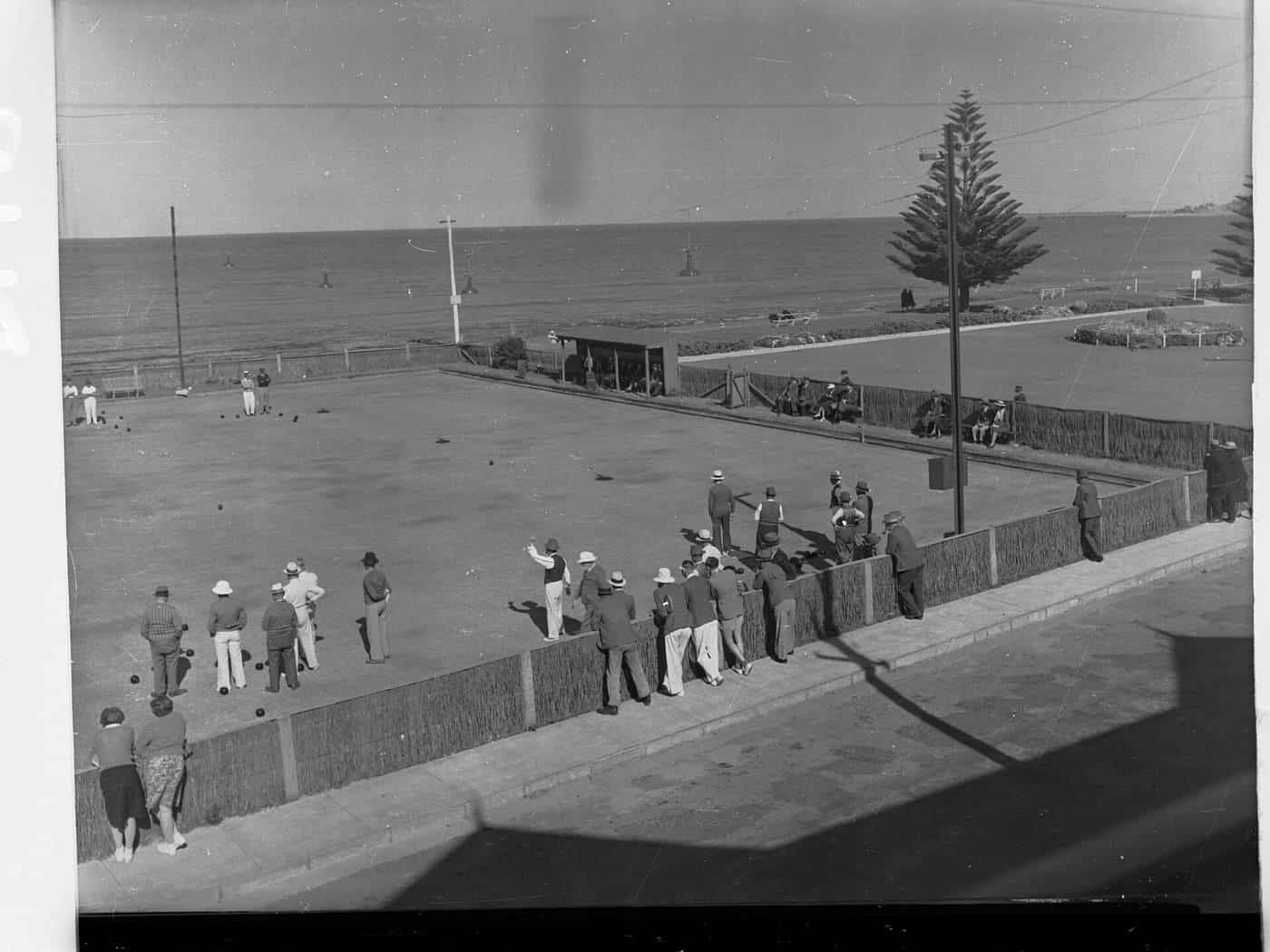
Villages range from simple groups of units with a shared hall to resort-style communities with restaurants, gyms, pools and buses. Common services include:
- grounds maintenance and external building maintenance;
- an on-site or visiting manager;
- emergency call systems;
- social programs and outings;
- optional meals, cleaning, laundry and transport.
Some villages offer serviced apartments, where meals, cleaning and some support are included in a higher weekly fee. Personal and nursing care at home is usually arranged separately, for example through the Commonwealth's in-home aged care programs. See how aged care works.
Residents' rights
State and territory retirement village laws set out rights and protections, which typically include:
- disclosure documents before you sign, setting out costs, services and the operator's details;
- a cooling-off period after signing, during which you can usually withdraw;
- a settling-in period in some states;
- rules on village budgets, recurrent charges and residents' committees;
- dispute resolution processes, including access to a tribunal;
- rules on termination of a contract by either party;
- time limits or arrangements for paying out your exit entitlement.
The details, including the length of cooling-off periods and when exit entitlements must be paid, vary between states. See our summary of retirement village laws by state.
Who a retirement village suits
A retirement village may suit you if you:
- want to live independently but with less home maintenance;
- value community, activities and neighbours of a similar age;
- want security and an emergency call system;
- are comfortable with the contract terms and exit costs.
It may suit you less if you want to keep the full benefit of any capital growth, need flexibility to move again soon, or need significant care now.
Alternatives to consider
Before deciding, compare other options:
- staying at home with home modifications and in-home support;
- downsizing to a smaller home in the general market;
- an over-50s land lease community (manufactured home estate);
- rental retirement living;
- moving closer to family.
Our moving and downsizing section compares these options.
Steps to choosing a village
- Work out your budget for entry, ongoing and exit costs, and how the move affects any pension.
- Shortlist villages by location, facilities and contract type.
- Visit more than once, at different times, and talk to residents.
- Ask for the disclosure documents and contract, and read them carefully.
- Compare total costs over different lengths of stay.
- Get independent legal and financial advice before you sign.
- Use your cooling-off period to reflect and ask further questions.
Before you sign
0 of 10 done
Ticks are saved in this browser only.
Common mistakes
- Focusing on the entry price and overlooking exit costs.
- Assuming you own your unit when you hold a lease or licence.
- Signing before getting independent legal advice.
- Not checking how long it may take to receive your exit entitlement.
Key points
Retirement villages offer independent living with shared facilities, but they are regulated by state law and contracts vary widely. Costs fall into entry, ongoing and exit stages, and exit fees can be large. Understand your contract type, read the disclosure documents, compare total costs and get independent legal and financial advice before signing.
Frequently asked questions
Is a retirement village the same as aged care?
No. Retirement villages are housing for older people who live independently. Residential aged care provides accommodation with 24-hour personal and nursing care and is funded and regulated under federal aged care law.
Do I own my unit in a retirement village?
Often not. Many residents hold a lease or licence rather than freehold title. Some villages use strata title, and some offer rental units. Your contract sets out what you hold.
What is a deferred management fee?
A fee charged when you leave, usually calculated as a percentage of the entry or resale price that grows with each year of residence up to a cap. Terms vary widely.
Who regulates retirement villages?
Each state and territory has its own retirement villages legislation, usually administered by a consumer protection or fair trading agency.
Should I get advice before signing?
Yes. Get independent legal advice on the contract and financial advice on how the costs fit your situation, including any effect on pensions.
Sources and further reading
Facts on this page were checked against these primary and official sources. Conditions change — confirm before you travel or buy.
- Retirement villages — NSW Fair Trading
- Retirement villages — Consumer Affairs Victoria
- Retirement villages — Queensland Government
- Retirement village fees and charges — Moneysmart (ASIC)
- Retirement village residents — Services Australia